Watch Collecting in Dubai
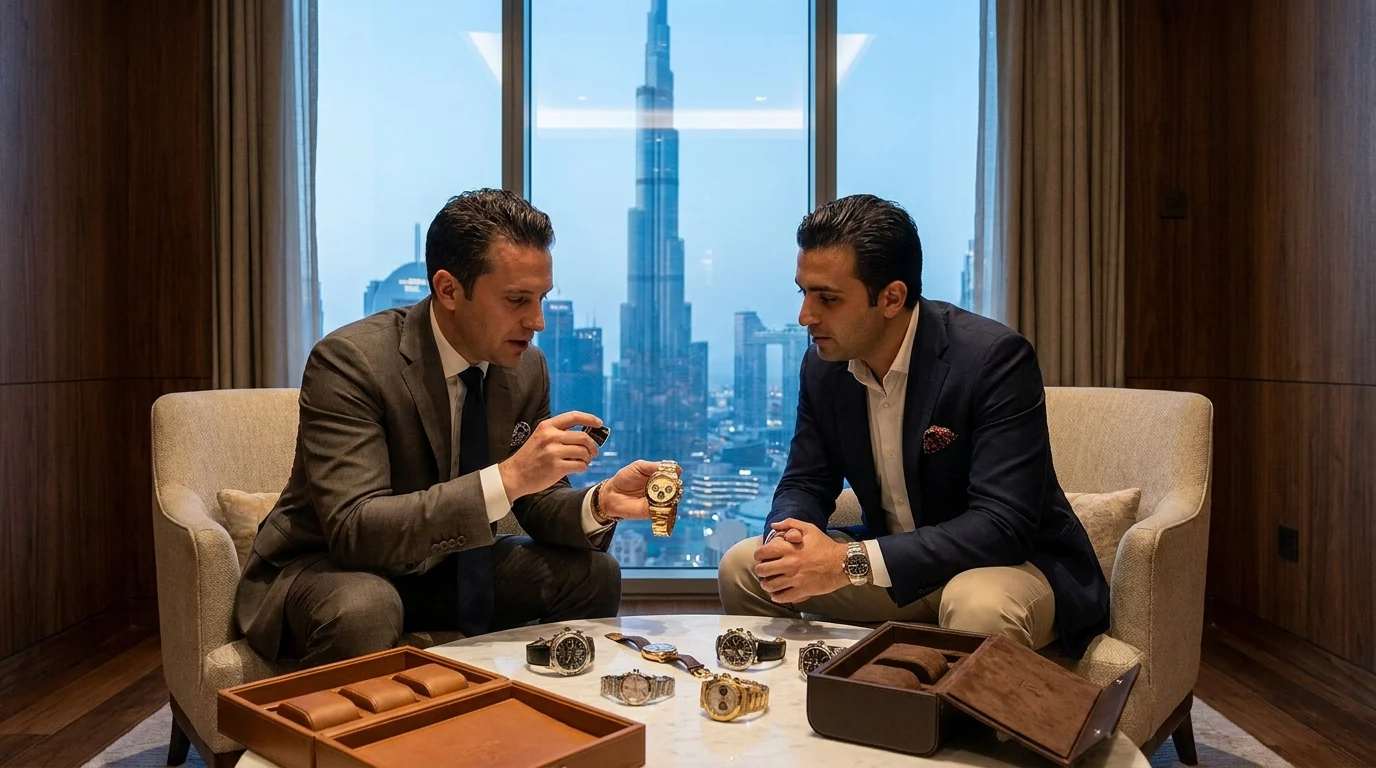
Watch collecting in Dubai relies on a specialized ecosystem of authorized retail boutiques, secondary market dealers, and established auction houses. Buyers operating within the emirate navigate extensive official waitlists by accessing independent horology markets, where dealers authenticate movements, track international valuations, and source rare vintage references. Collectors structure acquisitions through private viewings, formal appraisals, and condition grading protocols before completing high-value transactions.
The Luxury Watch Dealers Dubai sector manages both modern releases and out-of-production timepieces. Secondary market operators hold inventory spanning independent manufacturers and major Swiss houses, functioning entirely outside official authorized dealer networks. Buyers sourcing investment-grade watches monitor verified secondary pricing premiums, authentication histories, and service documentation prior to purchase.
Secondary Market Valuations and Premium Structures
The secondary horology market in Dubai operates heavily on manufacturer supply limitations, resulting in significant pricing premiums over official retail metrics. Independent dealers secure unlisted inventory and adjust pricing based on global demand, specific dial variations, and case materials to establish current secondary valuations.
Dealers maintain precise tracking of market premiums for highly sought-after references. According to WatchMaestro data detailing the 2025 secondary market, prominent sports models command substantial increases over manufacturer suggested retail prices.
| Watch Model Name | Official Retail Price | Secondary Market Price (2025) | Percentage Change in Value |
|---|---|---|---|
| Patek Philippe Nautilus 5711 | AED 128,558 ($35,000) | AED 385,000 ($105,000) | +199% |
| Audemars Piguet 15510ST | AED 105,750 ($28,800) | AED 190,000 ($51,800) | +80% |
| Cosmograph Daytona 126500LN White Dial | AED 63,450 ($17,275) | AED 125,000 ($34,000) | +97% |
| GMT Master II 126710BLRO Jubilee | AED 44,900 ($12,225) | AED 81,900 ($22,300) | +82% |
Year-Over-Year Valuation Shifts
Secondary market prices fluctuate across consecutive calendar years based on prevailing collector demand. The WatchMaestro platform monitors specific models to document percentage changes over time. Buyers tracking investment trends analyze specific pricing histories across core Rolex steel sports models.
| Watch Model Name | Secondary Price 2023 | Secondary Price 2024 | Percentage Change in Value |
|---|---|---|---|
| GMT-Master II Pepsi Jubilee | $12,100 | $12,225 | +1.03% |
| Cosmograph Daytona | $16,850 | $17,275 | +2.52% |
| Submariner Date 126610LN | $11,450 | $11,550 | +0.87% |
| Datejust 36 All-Steel, Oyster 126200 | $8,250 | $8,350 | +1.21% |
Buyers seeking alternative procurement routes outside retail waitlists often participate in Auctions in Dubai to secure immediate possession of heavily demanded timepieces.
Independent Trading and Discontinued References
Independent watch traders in the emirate operate outside official manufacturer networks to supply discontinued references and highly sought-after contemporary releases. Buyers bypass authorized boutique waitlists by engaging secondary market platforms that track international inventory, manage global sourcing requests, and secure specific luxury timepieces.
Buyers sourcing specific manufacturers approach Luxury Souq to secure inventory spanning multiple international houses. The trading company secures timepieces produced by A. Lange & Sohne, Arnold & Son, Baltic, Baume & Mercier, Bell & Ross, Blancpain, Bomberg, Boucheron, Bovet, Breguet, Breitling, Bvlgari, Carl F Bucherer, Cartier, Chanel, Chaumet, Chopard Geneve, Christophe Claret, Concord, Corum, Cvstos, De Bethune, De Grisogono, Dewitt, Dior, and Ebel. The Luxury Souq platform functions independently, operating without official affiliations with the respective watch manufacturers, meaning buyers must independently verify factory warranties.
Tracking Manufacturer Releases and Ceased Production
Dealers adjust inventory based on official manufacturer announcements regarding discontinued models. Luxury Souq reports on the discontinuation of the Rolex GMT-Master II Pepsi and the Rolex Submariner Date Cookie Monster, alongside upcoming Vacheron Constantin 2026 releases including the Overseas Dual Time and the American 1921. The platform also tracks Patek Philippe 2026 new watches leading up to the 50th anniversary of the Nautilus line.
The WatchMaestro inventory includes specific Rolex collections sought by international buyers. The dealership procures Rolex Datejust, Daytona, Submariner, GMT-Master II, Day-Date, Oyster Perpetual, Sky-Dweller, Sea-Dweller, and Cellini models. Collectors frequently request specific dial and bezel configurations, prompting dealers to source specific variations including the Batman, Tiffany, Hulk, Kermit, Starbucks, Panda, Root Beer, and Coke editions. Finding out-of-production dial colors remains a core function of the Limited Edition Drops Dubai sector.
Specialized Vintage Sourcing and Completed Transactions
Specialized horology galleries secure specific vintage references and prototype models that authorized brand boutiques no longer stock. Collectors approach independent dealers to locate specific serial numbers, assess historical provenance, and acquire high-complication timepieces holding verified ownership documentation and original factory components.
Vintage horology specialists publish asking prices based on specific condition parameters and historical rarity. Collectors Gallery Dubai lists specific vintage references for serious collectors, including a Rolex Datejust 1602 'Florentine & Serpico Y Laino' priced at $75,000. The gallery also secures high-complication models, offering a Patek Philippe Perpetual Calendar 3940R 'Third Series' for $90,000, an Audemars Piguet Royal Oak 14813BC 'White Gold & Midsize' for $95,000, and a Rolex Day-Date 18296 'Platinum & XL Pavé Diamond Dial' for $80,000. Certain unique pieces, such as the Patek Philippe World-Time 2523 'Prototype', operate on a strictly price-on-request basis.
The Collectors Gallery Dubai portfolio demonstrates market liquidity through completed transactions across highly complex references. The gallery records completed sales for the Audemars Piguet 25718PT 'Jules Audemars Skeleton Tourbillon', the Patek Philippe Nautilus 3800/003 'Diamond Bezel & Index', and the Audemars Piguet Royal Oak 14790BC 'Salmon'. Additional completed transactions include the Rolex Day-Date 18338 'Russian & XL Pavé Diamond Dial', the Rolex Day-Date 1803 'Rose Gold, Arabic Hindi & Tropical Gilt Dial', the Audemars Piguet Royal Oak Perpetual Calendar 25820ST, and the Rolex Day-Date 1807 'Rose Gold, Bark Finish & Tropical Dial'. The dealership also successfully placed the Richard Mille RM 010 AG TI 'Titanium Skeleton', the Cartier Pilote Paris 'Driver, Baguette Model 820', and the Patek Philippe Nautilus 3800/105 'Ruby & Pave Diamonds' into private collections.
Showroom Infrastructure and Physical Inspections
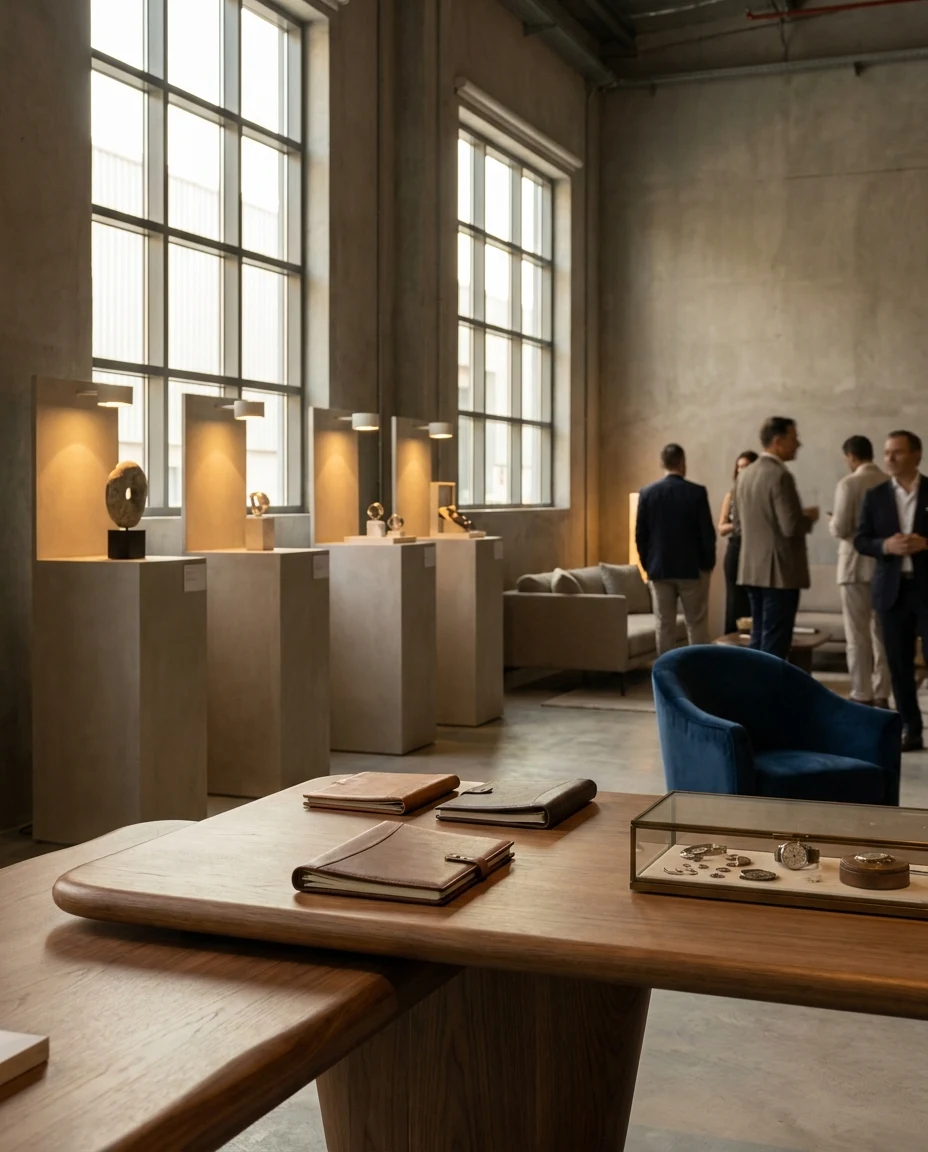
Physical watch showrooms allow buyers to inspect case dimensions, dial conditions, and lug-to-lug measurements before completing high-value financial transactions. Independent dealers maintain secure viewing environments where horology specialists present curated collections, verify physical documentation, and facilitate transparent connection processes between serious market participants.
Buyers inspect timepieces physically at the WatchMaestro showroom located inside Concord Tower in Dubai Media City. The facility sits exactly 10 minutes away from Palm Jumeriah. The location features glass doors and a calm, well-lit space designed for detailed case inspections. Buyers utilizing platforms like DubaiLuxuryWatch require similar secure processes connecting serious buyers and sellers looking to transact rare, collectible, and investment-grade timepieces.
Authentication Protocols and Movement Verification
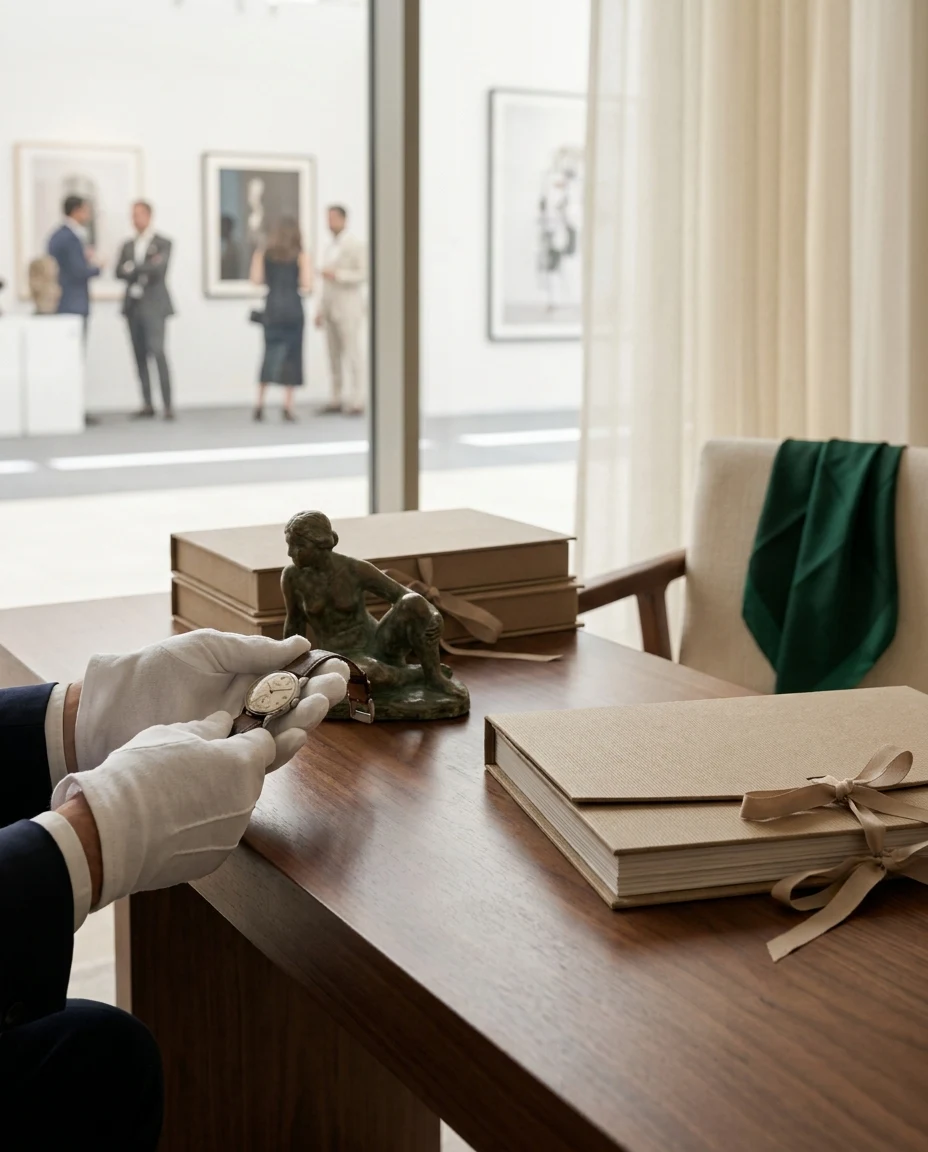
Secondary market operators execute strict authentication protocols requiring extensive horological knowledge and independent movement inspections. Dealers partner with specialized service centers to disassemble acquired timepieces, verify internal components, identify unauthorized replacements, and establish complete ownership provenance through original purchase paperwork and service records.
WatchMaestro partners with ChronoStreet, a specialized luxury watch service center. The ChronoStreet team employs horologists holding over 30 years of experience working on Rolex, Audemars Piguet, and Patek Philippe movements. The authentication process requires technicians to disassemble the watch case to check the internals, verifying that factory parts have never been replaced and remain in good functional condition. Dealers emphasize the importance of retaining the original box and paperwork, establishing that the timepiece was legally purchased rather than stolen.
Condition Grading and Classification Frameworks
Independent boutiques use structured classification systems to communicate the exact physical state of pre-owned luxury inventory. The grading frameworks dictate final asking prices and influence collector decisions regarding polished case conditions, replaced factory straps, and internal mechanism functionality across the secondary market.
Watch Lab implements a precise four-tier grading system to categorize available inventory for prospective buyers:
- Brand New/Unworn: The category denotes new, unworn timepieces without any defects, featuring a fully checked mechanism.
- Mint/Like new: The classification describes practically new, unpolished watches showing minor imperfections, featuring a checked mechanism and potentially a replaced strap.
- Perfect: The grade applies to used watches professionally polished to restore visual appearance, holding a checked mechanism and potentially a replaced strap.
- Excellent Condition: The label identifies used watches bearing visible signs of wear, maintaining a checked mechanism and a potentially replaced strap.
The Watch Lab boutique also expands beyond traditional Swiss mainstays to offer independent horology and luxury accessories. The laboratory lists the Czapek & Cie Antarctique Rattrapante Ice Blue, the Louis Erard x Konstantin Chaykin Unfrogettable Purple, and the Pioneer Centre Seconds Concept Citrus Green 42.8mm Steel model. Collectors acquiring mechanical art also view accessory investments including the Crocodile Décor Pen Solid Yellow Gold, the Herbag Circuit 31 Toile / Vache Hunter Fauve / Écru, and the Mini Kelly 20 Ebene Epsom Electrum PHW.
Authorized Retail Networks and General Maintenance
Buyers requiring entry-level acquisitions or general quartz maintenance use authorized retail networks operating extended daily hours. Specialized technical facilities manage routine watch repairs, supply factory-authorized replacement components, and distribute modern horology releases across broad international brand portfolios and digital instrument lines.
Buyers seeking dedicated after-sales service visit The Watch House. The retailer operates daily from 09.00 AM to 09.00 PM UAE time. The company maintains dedicated Casio departments, supplying the General Line-Up alongside the G-Shock Collection, the BABY-G Collection, the PROTREK Collection, and the EDIFICE Collection. The retailer also manages inventory for Alba, Aigner, Citizen, Armani Exchange, Baume & Mercier, Briston, Daniel Wellington, Diesel, Doxa, DKNY, Edox, Elie Saab, and Emporio Armani.
Integrating Horology with Dubai Cultural Districts
High-net-worth individuals structure luxury horology acquisitions alongside broader aesthetic investments spanning contemporary art and mechanical installations. The local cultural ecosystem houses specific auction centers, independent galleries, and design hubs that support extensive collector itineraries across major financial and historical heritage districts.
Readers exploring horology typically review the broader Art And Collectibles Directory to identify venues supporting complementary investment asset classes. The Dubai Art Week Collector Guide documents the convergence of watch collecting and fine art acquisition.
| Institution Name | Location Area | Collector Focus Area |
|---|---|---|
| MB&F M.A.D.Gallery Dubai | Dubai Mall | Mechanical art, kinetic art, and specialized horology research |
| Sotheby's Dubai | DIFC | Valuation, consignment, and private sales for watches and jewellery |
| Opera Gallery Dubai | DIFC | Blue-chip art research and DIFC art route planning |
| Tabari Artspace | DIFC | Contemporary art visits and private regional artist viewings |
| The Third Line | Alserkal Avenue | Contemporary Middle Eastern art research and exhibitions |
| Leila Heller Gallery Dubai | Alserkal Avenue | Contemporary art discovery and art advisory conversations |
| Green Art Gallery | Alserkal Avenue | Contemporary art discovery and Alserkal Avenue art routes |
| Lawrie Shabibi | Alserkal Avenue | Contemporary art, regional artists, and private viewings |
Buyers structuring comprehensive cultural tours frequently merge watch viewings with visits to Art Galleries in Dubai. Specific events, mapped out in the Luxury Design Events in Dubai guide, allow collectors to view product launches during Dubai Design Week in the Dubai Design District. Additional cultural orientation occurs at the Jameel Arts Centre in Jaddaf Waterfront, Tashkeel in Nad Al Sheba, and the XVA Gallery in Al Fahidi.
Payment Logistics and Collection Delivery
Dealers structuring high-value mechanical transactions provide specific payment infrastructures and insured physical delivery protocols. Buyers complete acquisitions through diverse banking methods before receiving procured timepieces via dedicated courier partners or direct showroom drivers operating within strict domestic transit timeframes across the local emirate.
The WatchMaestro dealership processes transactions using credit cards, debit cards, and net banking platforms. Buyers preferring traditional banking channels finalize purchases via physical cheques or direct wire transfers. Following payment confirmation, local buyers receive deliveries at residential or commercial addresses within 72 hours. Similar secure asset transport protocols govern physical deliveries managed under the Collectible Cars Storage Dubai and Classic Cars in Dubai acquisition models, requiring specialized handling and strict authentication before final client handover.
Professional Concierge and Advisory Coordination
Building a comprehensive horology portfolio requires strict verification of mechanical authenticity, condition grading, and historical market performance. Private collectors engage independent professionals to verify serial numbers, check service center documentation, and negotiate directly with secondary market dealers to finalize complex acquisitions.
Professionals operating an Art Advisory Dubai practice assist private collectors, corporate entities, and family offices in diversifying physical asset collections across mechanical art and fine art sectors. Readers requiring structured support for sourcing discontinued references, managing auction bidding strategies, or executing independent condition reports can arrange bespoke operational assistance through our Private Dubai concierge service.
Disclaimer: Watch valuation data, secondary market premiums, percentage value changes, and historical price increases represent past market conditions and do not guarantee future financial returns. Pricing structures vary based on exact watch models, physical conditions, remaining factory warranties, and independent dealer policies. Readers should consult with licensed financial advisors, qualified wealth managers, or professional horological appraisers before making major capital commitments based on anticipated investment yields. Verify current inventory limits, authentication documents, and exact retail pricing directly with the respective operators or official brands before completing any acquisition.